
A picture paints a thousand words.
In my work in diversity, equity, inclusion and belonging, I often deal with people’s perceptions of the black body – how it enters and exits the workspace. This work is awesome in so far as I work with a number of talented creatives and artists whose works betray profound reflections on their journeys.
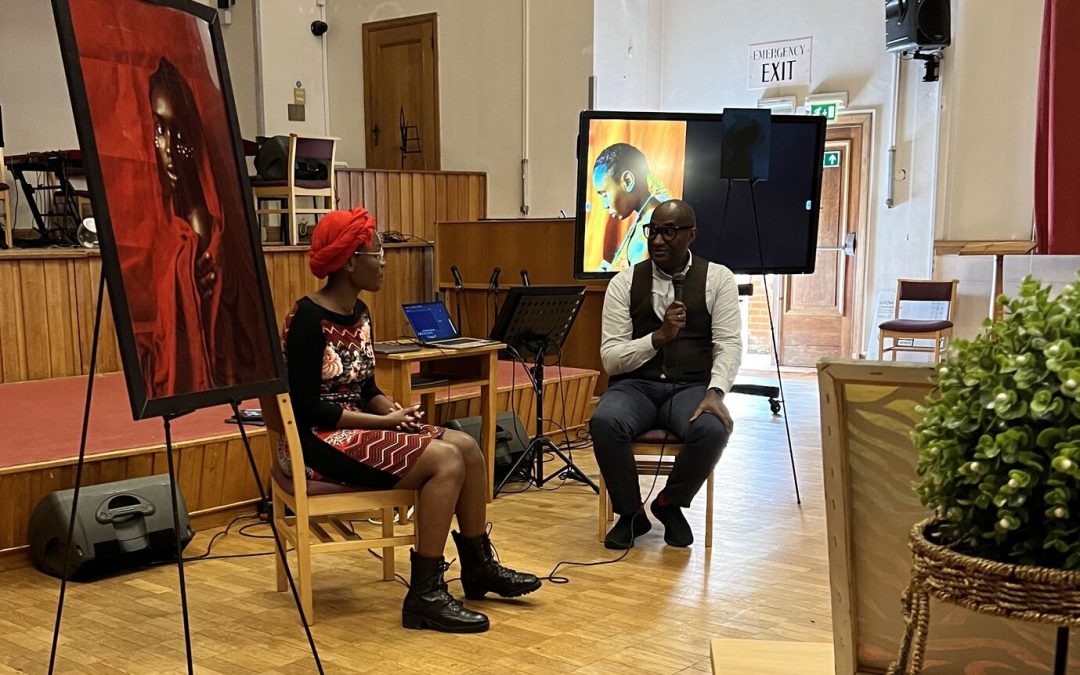
Meet Caroline Lacoma. She’s a Guadeloupian-in-diaspora visual artist and photographer. Caroline particularly specialises in self-portraiture and in our Black History exhibition explained the impulse of her art.
Like so many millennials, her focus was galvanised in the aftermath of the 2020 George Floyd racist murder. She felt an earnest impulse to address the feelings of loneliness and isolation that came with her migration. This found expression in how her black body elicits drama and intervention, yet desire and fear.
Caroline’s work has inspired conversations around race and identity and has allowed her to reflexively process her own journey vis-à-vis other people of colour. What struck me, among many things that she said, was that her practice of self-portraiture has unwittingly brought her out of herself. It’s like a story that is hers without being only hers. It’s about a woman whose story interests her. As such, she is centralising her Black female body without apology.
The black body is not for commodification. Yet, the black body in all its touchstones of intersections has the prospect of bringing rich stories and perspectives into our workspaces, which leaves our organisations that much more enhanced, relevant and profitable.
Check out her website. You will find her work both transgressive and liberating: https://lnkd.in/eQU5HqPK