
In one of my #leadership modules, we were talking about curating spaces in the workplace for #inclusion and #belonging, which may lead to adding and subtracting stuff. In this section, we were focussing on bringing out the best in each other and allowing our colleagues to come to work as their best selves. (Yes, some organisations still wish to push the envelope and advance their business proposition!)
Then the discussion got more nuanced. It shifted to oppressive artefacts and portraits that speak to a blatant #racist and #sexist culture of a bygone era, and how far we should go in removing these. Yes, my sessions can get deep
In the end, the leaders who were offended by them argued to take them down; and the leaders who were oblivious to them and were not offended even when they were brought to their consciousness and conscience argued to keep them. These conversations are never straightforward. What factors would determine your #vote up or down?
Then I read this provocative article by Professor Robert Beckford, for whom this conversation is viscerally personal.
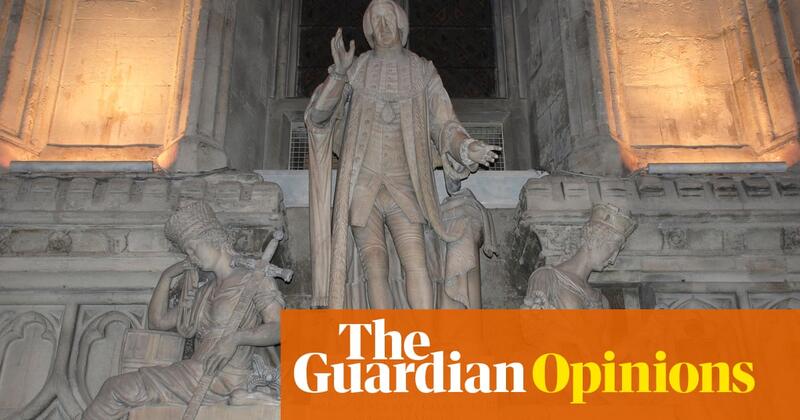
On reflection, statues are not so much about #history as they are about #values. They are about commemorating and memorialising the #heroes of the past. Values change, and so should #statues. Values about racism have changed. This change needs to demote racism for objective reflection. A #museum is a good place to start. This statue belongs to the museum.
#leadershipmatters#workspacedesign#leadingchangeLeadership First, Black Leadership Group, The Leadership Academy Programme, Leadership Training, Leadership Right, the female factor, The Training HUB, Diversity, Equity, & Inclusion, Center for Strengthening the Teaching Profession (CSTP), Leadership Think Tanks , Learning to Think Leadership